Zygomatic implants are an advanced option for patients who have significant bone loss in the upper jaw and may not have enough bone for conventional dental implants. Instead of being anchored into the upper jawbone, these longer implants are secured into the stronger cheekbone, providing support for replacement teeth.
For patients with severe upper jaw bone loss, zygomatic implants can provide an alternative when conventional implants may not be suitable. The treatment is carefully planned using advanced imaging to assess bone structure and determine the ideal implant placement. With the support of a fixed dental prosthesis, patients can regain confidence in their smile, improve everyday comfort and enjoy a more natural-looking result.
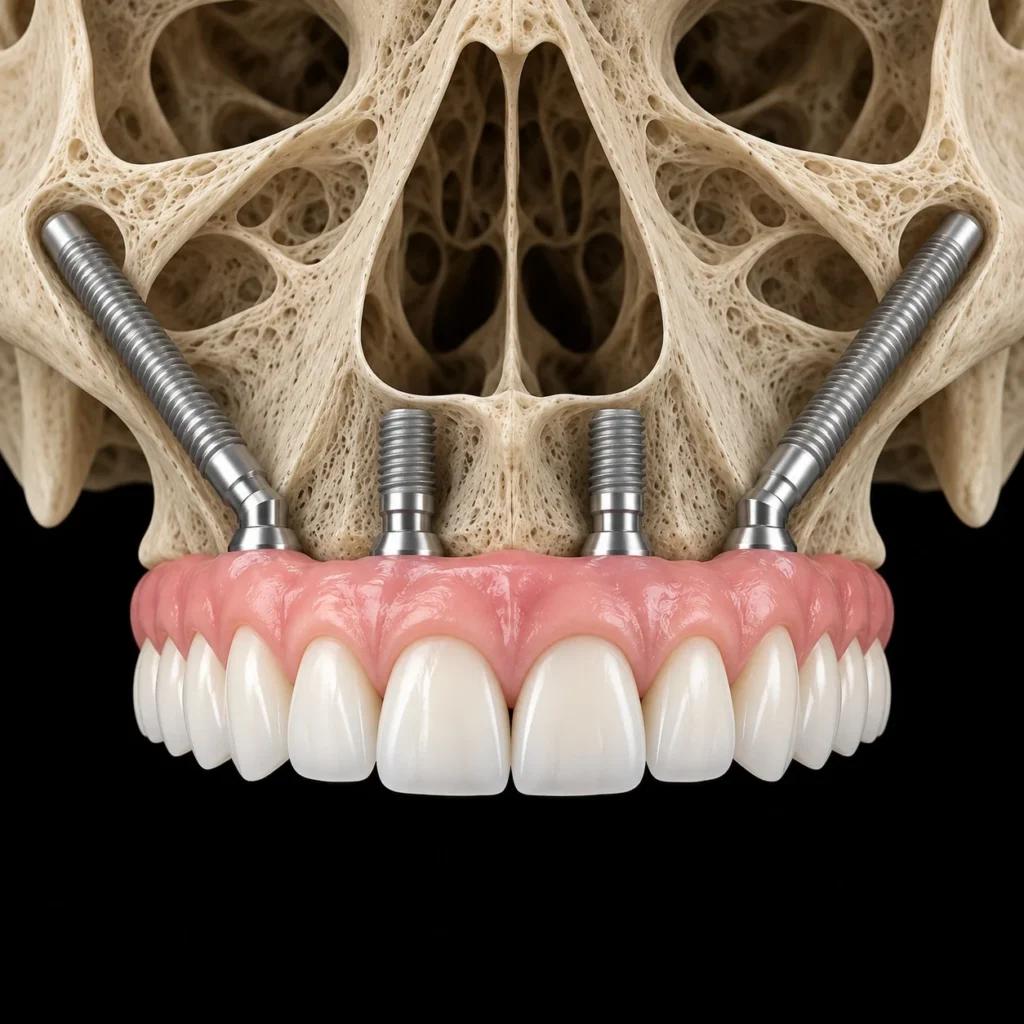
Zygomatic implants can provide an alternative when there is insufficient bone in the upper jaw for conventional implants.
The cheekbone provides a strong anchoring point for supporting implant-retained replacement teeth.
For some patients, zygomatic implants may reduce the need for extensive bone-grafting procedures.
Implant-supported replacement teeth can help restore your ability to eat, speak and smile with greater confidence.
Zygomatic implants are longer dental implants that are anchored into the cheekbone rather than the upper jawbone. They can be used for patients with significant bone loss in the upper jaw.
They may be suitable for patients who have severe bone loss in the upper jaw and are unable to have conventional implants without significant additional treatment.
In some cases, zygomatic implants can provide an alternative to extensive bone-grafting procedures. Your suitability will depend on your individual anatomy and oral health.
Unlike conventional dental implants, they are anchored into the zygomatic bone, commonly known as the cheekbone.
They can be used to support a full arch of replacement teeth in suitable patients with significant upper-jaw bone loss.
The procedure is carried out with appropriate anaesthesia, so you should not feel pain during treatment. Some swelling and discomfort can be expected afterwards as you recover.
Treatment times vary depending on your individual circumstances, the number of implants required and the type of restoration being provided.
In suitable cases, temporary replacement teeth may be attached shortly after implant placement. Your dentist will explain whether this approach is appropriate for you.
The replacement teeth are custom-made to restore the appearance of your smile and can be designed to look natural and complement your facial features.
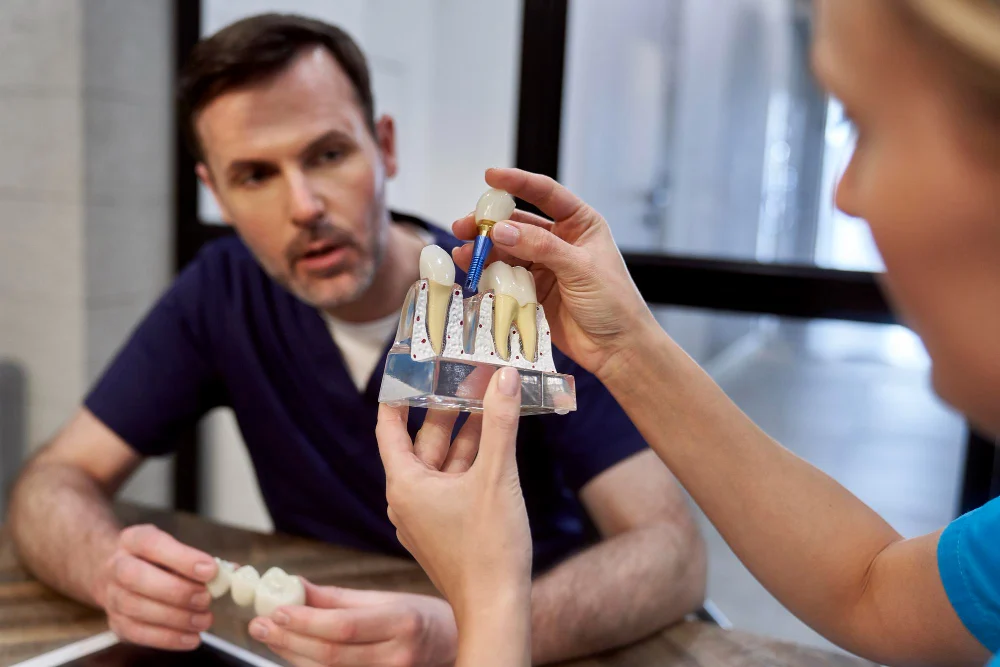
A detailed consultation and 3D imaging are needed to assess your jaw and cheekbone structure. Your dentist can then explain whether zygomatic implants or another implant solution would be appropriate.